Building a Balanced Fitness Routine: The Three Pillars of Exercise

We all know exercise is good for us. But when it comes to creating a workout routine, many of us fall into the trap of focusing on just one type of exercise. Maybe you're a cardio fanatic who loves pounding the pavement, or perhaps you're a weightlifting warrior determined to build muscle. While these activities are fantastic, a truly well-rounded fitness routine incorporates a variety of exercise types. Here's why a balanced approach is key to unlocking your full fitness potential.


The Three Pillars of Exercise:

Imagine your fitness routine as a sturdy three-legged stool. Each leg represents a crucial type of exercise:

  • Cardio (Aerobic Exercise): Cardio gets your heart pumping and improves your cardiovascular health. Activities like running, swimming, dancing, or brisk walking all fall under this category.
  • Strength Training: This exercise focuses on building muscle strength and endurance. Lifting weights, using resistance bands, or bodyweight exercises like squats and lunges are all great ways to build strength.
  • Flexibility: Flexibility exercises improve your range of motion and keep your joints limber. Stretching, yoga, and Pilates are excellent ways to enhance flexibility.


Why Balance Matters:

Just like a three-legged stool can't stand on two legs, a fitness routine focused solely on cardio or strength training won't give you the well-rounded benefits of exercise. Here's how each type contributes to your overall fitness:

  • Cardio: Strengthens your heart and lungs, boosts your metabolism, and improves circulation.
  • Strength Training: Builds muscle mass, which helps burn more calories at rest, improves bone density, and reduces your risk of injury.
  • Flexibility: Improves your range of motion, reduces muscle soreness, and helps maintain good posture.


Building Your Balanced Routine:

So, how do you create a balanced routine that incorporates all three pillars? Here are some tips:

  • Aim for variety: Alternate between cardio, strength training, and flexibility exercises throughout the week. This will keep your workouts interesting and prevent plateaus.
  • Focus on consistency: It's better to get some movement most days of the week than to cram all your exercise into a few intense sessions.
  • Start slow and progress gradually: Don't try to do too much too soon. Start with lighter weights, shorter distances, and hold stretches for a manageable amount of time. You can gradually increase the intensity and duration of your workouts as your fitness improves.


Remember: There's no one-size-fits-all approach to fitness. The best routine is the one you enjoy and can stick with consistently. Find activities you find fun, listen to your body, and don't be afraid to experiment until you find a balanced approach that works for you.


December 7, 2025
If you’re over 30, busy, and feeling like fitness keeps getting pushed to “tomorrow,” this is for you. Between work, commuting, kids, meetings, deadlines, and trying to have a social life, the idea of spending 90 minutes in the gym feels unrealistic. But here’s the truth: You don’t need more time; you need a better plan. The 30FIT Blueprint is designed specifically for busy professionals who want to get lean, stay strong, and feel good again… without sacrificing their entire day. This approach works even if you: ✔️ Haven’t been consistent ✔️ Don’t love long workouts ✔️ Feel overwhelmed by where to start ✔️ Are juggling work, family, and real life Let’s break down exactly how to get lean in just 45 minutes per day . 1. Start With the “Big 3” of Fat Loss Most people waste time on workouts that aren’t aligned to the actual drivers of fat loss. Here are the only three things that truly matter: 1️⃣ Strength Training Build muscle & burn more calories at rest This is the foundation of the 30FIT method. 2️⃣ Daily Movement You don’t need 10k steps. But you do need movement outside the gym. Even 5–10 minutes here and there adds up. 3️⃣ High-Protein Nutrition You can’t out-train exhaustion. Protein keeps you full, builds muscle, and supports recovery. Master these three pillars and you’re already ahead of 90% of people. 2. The 45-Minute Workout Blueprint Your workout has ONE goal: maximum efficiency. Here’s the structure: 10 minutes: Warm-up walk + activation 30 minutes: Strength training (focused muscle group each day) 5 minutes: Finisher (optional but potent) This is the exact type of training I build for busy 30+ professionals — and it’s why they see incredible results without living inside the gym. Why it works: You hit muscles with enough intensity to grow You avoid long rest periods that drain time You maximize calorie burn without unnecessary cardio You finish feeling energized, not dead You don’t need 2-hour workouts. Just intention, structure, and consistency. 3. The Nutrition Strategy That Makes Fat Loss EASY I’ll make this simple here’s the formula I give every client: Eat like an adult 80% of the time. Eat like a human being 20% of the time. No starvation. No “clean eating only.” No cutting out foods you love. Focus on these: ✔️ Lean protein (chicken, eggs, beef, turkey, fish, Greek yogurt) ✔️ Easy carbs (rice, fruit, potatoes, oats) ✔️ Healthy fats (olive oil, nuts, avocado) ✔️ High-volume veggies (broccoli, zucchini, greens) You can still enjoy: 🍕 Pizza 🍦 Ice cream 🍫 Chocolate 🍹 Nights out Just don’t make them your default. 4. The 30FIT Consistency Formula Want to know the secret difference between people who get results and those who stay stuck? Consistency > Perfection Busy professionals don’t have time for perfection — but they do have time for a plan. Here’s what consistency actually looks like: 4–5 workouts per week 90–130g of protein per day 45–60 min daily movement Drinking enough water Sleeping 6–8 hours No “starting over” every Monday If you hit these most days, you WILL get lean. 5. The Real Reason the 30FIT Blueprint Works It’s not because it’s extreme. It’s not because you train until you collapse. It’s not because you follow a rigid diet. It works because it fits your actual life. When fitness becomes manageable, it becomes repeatable. When it’s repeatable, it becomes effective. This is how busy 30+ professionals finally break the cycle of: “I’ll start next week.” “I don’t have time.” “I’m too tired after work.” With the right strategy, you don’t need more motivation — you need momentum. Ready to Start? Download the Free 30FIT Jumpstart If this blog resonated, you’ll love the full 30FIT Jumpstart guide. 👉 Download it here: 30FITJumpstart ✔️ A simple, effective weekly workout plan ✔️ Fat-loss nutrition breakdown ✔️ Daily movement and habit targets ✔️ A roadmap to get lean — even with a busy schedule Your time is limited. Your results don’t have to be. Let’s get you lean, strong, and consistent; starting today. — Jeffrey Davis Fitness
October 9, 2025
Every week I hear it: “My metabolism must be broken.” “I’m eating healthy, but the scale won’t move.” “I think my body just doesn’t burn fat anymore.” Here’s the truth 99% of the time, it’s not your metabolism. It’s these three fixable mistakes quietly slowing down your results. 1️⃣ Calories Are Sneaking In You don’t need to count every crumb but awareness matters. The “healthy” extras add up fast: The handful of nuts while cooking A splash of creamer here and there The weekend takeout you tell yourself you’ve “earned” Those bites might not seem like much, but 200–300 hidden calories a day can erase a full week of progress. 👉 Fix it: Track your meals for just 3–5 days. You’ll find at least one easy win to clean up without cutting everything you love. 2️⃣ Protein Is Too Low If you’re constantly hungry or losing strength, this is why. Protein helps you feel full, maintain muscle, and keeps your metabolism stable while you lose fat. Most adults need 0.8–1 gram per pound of bodyweight yet most get less than half of that. 👉 Fix it: Build each meal around a protein source. Eggs or Greek yogurt for breakfast, chicken or fish for lunch, and lean meat or tofu for dinner. Keep it simple and repeatable. 3️⃣ Activity Is Inconsistent You don’t need to train like an athlete you just need to move consistently. Many people crush workouts for a week, then sit 10 hours a day after. Fat loss isn’t just about the gym; it’s about your overall daily movement. 👉 Fix it: Aim for 8,000–10,000 steps a day , 3–4 solid workouts a week, and proper sleep. You’ll burn more, recover better, and actually feel your energy come back. The Bottom Line Your metabolism isn’t broken. It’s adaptive and it responds to your habits. When you fix these three areas, fat loss stops feeling like a fight and starts becoming predictable. 💡 Remember: it’s not about eating less it’s about doing the right things more consistently. Ready to Take the Guesswork Out of Fat Loss? Grab your free 30FIT Jumpstart to learn how to train smarter, eat better, and finally build momentum that lasts. 👉 Get it here
September 19, 2025
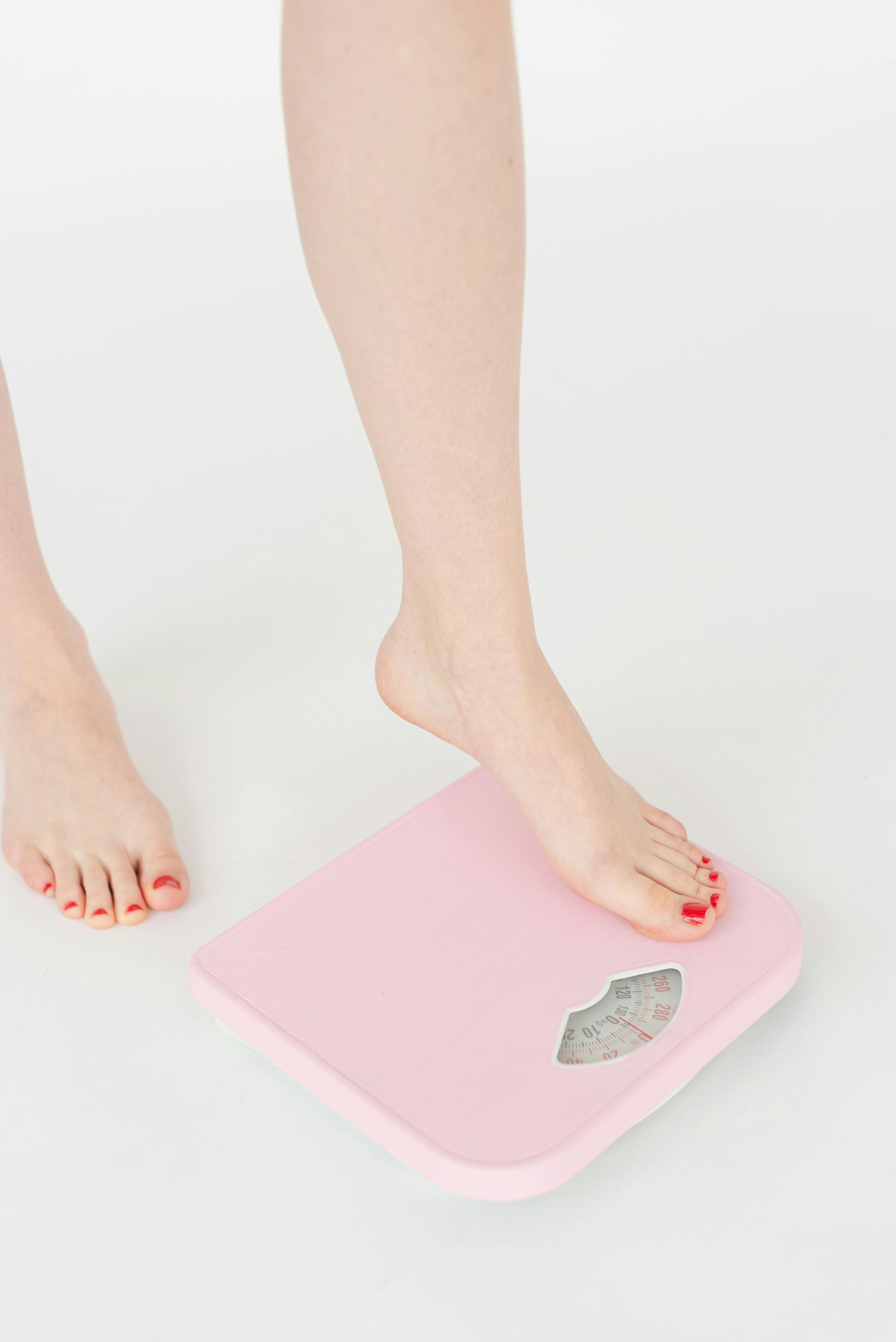
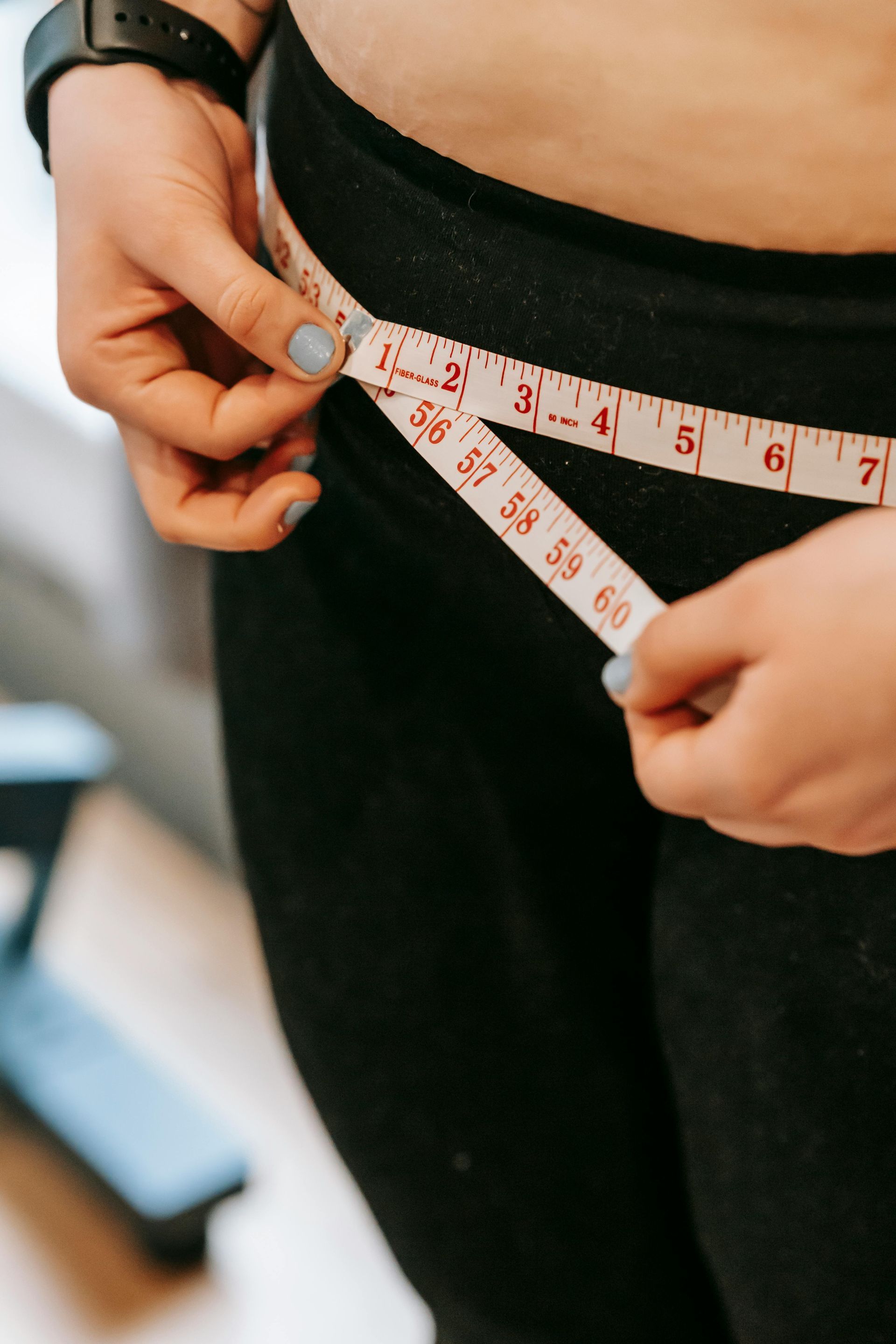
The body content of your post goes here. To edit this text, click on it and delete this default text and start typing your own or paste your own from a different source.We’ve all been there: you step on the scale, see a number you don’t like, and instantly feel like your hard work isn’t paying off. But here’s the truth, that number doesn’t tell the full story of your progress. In fact, if you rely only on your weight, you’re probably selling yourself short. Why the Scale Fluctuates Your body weight can change 2–5 pounds in a single day — and it has nothing to do with fat gain or fat loss. Water retention: Eating more salt, carbs, or even working out hard can cause your body to hold onto water. Digestion: What you ate (or haven’t digested yet) literally shows up on the scale. Hormones & sleep: Stress, lack of sleep, and monthly cycles can all cause the scale to jump. So that “up two pounds overnight” panic? It’s usually just your body doing its thing not real fat gain. What the Scale Misses The number doesn’t measure: Muscle gain (you could be getting stronger while staying the same weight). Fat loss (clothes fitting looser often tells the real story). Body recomposition (losing fat while building muscle at the same time). This is why many people quit too soon they see the scale stall, but underneath, their body is changing in ways the scale can’t capture. What to Track Instead If you want the truth about your progress, start focusing on these metrics: ✅ Progress photos – taken once per week in the same lighting and poses. ✅ Measurements – waist, hips, arms, and thighs show fat loss better than weight alone. ✅ Strength in the gym – adding weight to lifts means you’re building muscle. ✅ Clothes fit – when pants get looser or shirts fit better, that’s real progress. ✅ Energy and confidence – the most important changes don’t come with a number attached. The Bottom Line The scale isn’t useless it’s just one tool in the toolbox. But if you rely on it alone, you’ll miss the bigger picture. Real progress is about how you look, feel, and perform not just what the scale says. 🔥 Want a clear plan to track the right things and finally see results? 👉 Download The 30FIT Jumpstart for FREE